
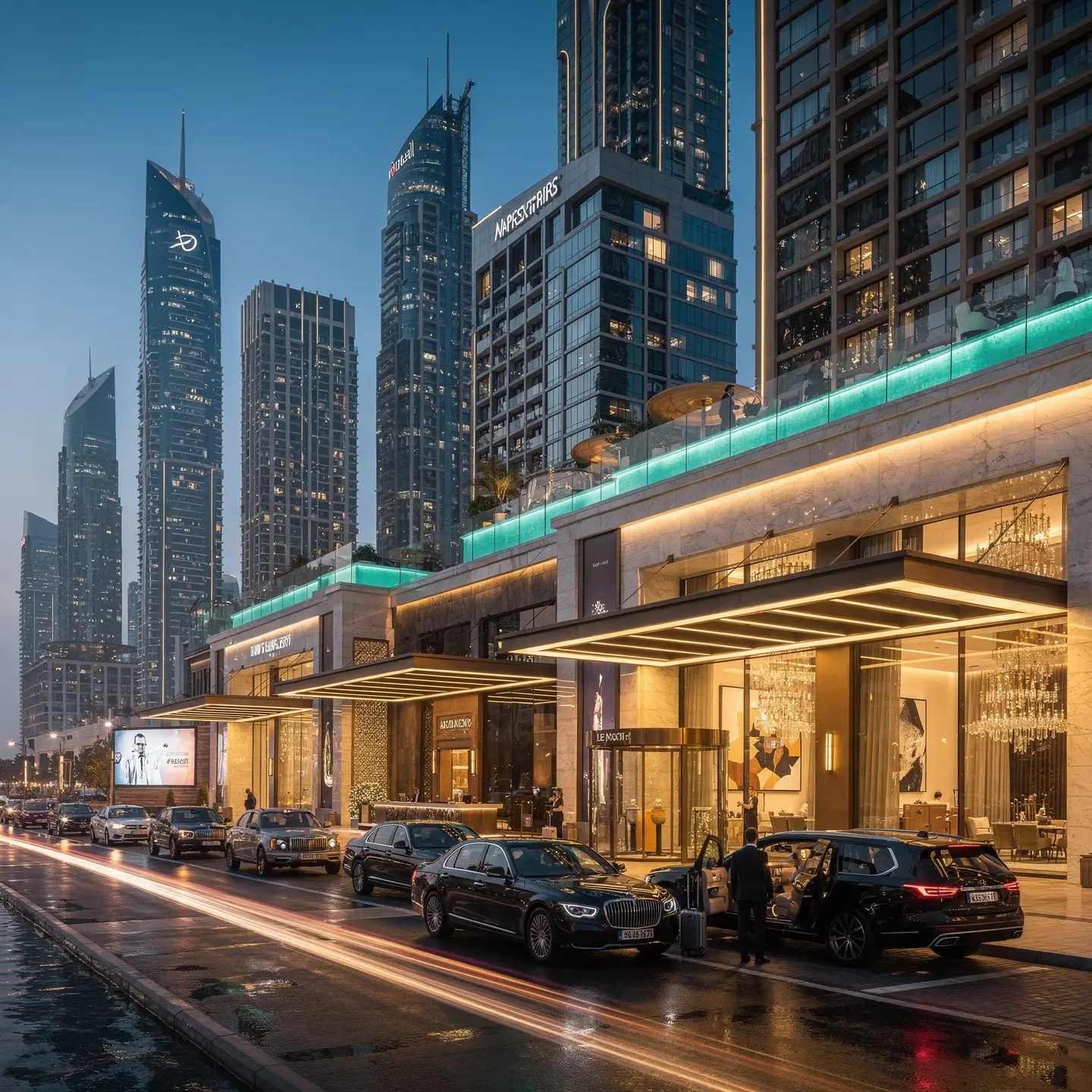
Dubai ended 2025 with 81% hotel occupancy. That number tells you something bigger than tourism.
Cavendish Maxwell’s full-year Dubai Hospitality Market Performance 2025 report is out. The numbers point to structural depth, not a one-off peak.
Key figures for 2025:
- 🏨 770 hotels, 158,700 keys — room inventory grew 2.2% year-on-year
- 📊 Full-year average occupancy: 81%, up 3.8% on 2024
- 💰 ADR up 5.5% in H1 to AED 754.5 — Upper Midscale led at +8.5%, Luxury held at +4.9%
- 👑 67% of total inventory in Luxury, Upper Upscale and Upscale categories
- 🌍 19.6 million tourists in 2025 — Western Europe #1 (21%), GCC (15.3%), CIS & Eastern Europe (14.8%)
Pipeline: 4,600 rooms scheduled for 2026, nearly 90% in premium segments.
Why this matters for property investors:
Hospitality performance is one of the clearest leading indicators for residential real estate. When occupancy holds at 81% against a growing supply base, demand is consistently outrunning delivery. That same demand feeds short-term rental yields, drives residential absorption and underpins the city’s case as a long-term destination — not just a transit hub.
The premium skew of new supply isn’t accidental. It reflects where both operators and investors are placing their conviction.
Do you factor hospitality data into your real estate market analysis?
FAQ
What was Dubai’s hotel occupancy rate in 2025?
Dubai achieved an average hotel occupancy rate of 81% across its 770 hotels in 2025, representing a 3.8% increase compared to 2024 — one of the highest rates globally.
How many hotel rooms does Dubai have?
As of the end of 2025, Dubai has approximately 158,700 hotel keys, with room inventory growing 2.2% year-on-year driven by new openings across all segments.
Why is Dubai’s hospitality market important for real estate investors?
High hotel occupancy signals sustained tourism demand, which supports rental yields for short-term lets, drives retail and F&B performance, and increases demand for residential property from hospitality sector employees.
Which areas in Dubai saw the strongest hospitality growth in 2025?
Demand was particularly robust in beachfront and city-centre corridors, where new branded properties and repositioned assets drove both ADR and occupancy improvements.